
In 2026, flavors, not formats, define how global foodservice evolves. Across restaurants, cafés, and hotel menus, taste profiles become strategic tools for storytelling, differentiation, and emotional connection.
According to the Outlook 2026: Flavor Trends report by IFT, alongside analyses from Flavorsum and Synergy Flavours, the world’s menus are moving toward sensory complexity: bold pairings, nostalgia-driven comfort, and cultural authenticity. America, Europe, and Asia each interpret these shifts through distinct lenses, yet all converge on one insight: flavor is now strategy.
At a Glance
- Flavor Trends 2026 in Asia
- Implications for restaurants and food brands
- Toward a flavor-forward future
Flavor Trends 2026 in America: Swicy, Pickle Fever, and Evolved Comfort
The United States continues to lead in hybrid flavor experimentation. The “swicy” trend, sweet and spicy combinations, explodes across categories, pairing tropical fruits like mango, pineapple, and guava with jalapeño, habanero, or Aleppo chili for multi-dimensional impact (IFT, 2025). Menu innovation reflects consumer desire for boldness balanced with comfort.
Meanwhile, acidity and fermentation re-enter the spotlight through the so-called “Pickle Fever.” Pickled flavors appear in everything from cocktails to desserts, merging tangy intensity with gut-health appeal (Sensate, 2025). Popeyes, for instance, launched its Pickle Menu in October 2025, featuring pickle-glazed chicken sandwiches, spicy dill snacks, and even pickle lemonade, showcasing how major chains can turn niche sensory trends into mass-market hits. This approach demonstrates that playfulness and acidity can coexist, turning a once polarizing flavor into a mainstream craving.
Comfort foods, too, are evolving: burgers with global sauces, fried chicken bowls with chili crisp, and desserts with swicy drizzle now embody “elevated nostalgia.” For American diners, 2026 is about indulgence with attitude, familiarity layered with adventure.
Flavor Trends 2026 in Europe: Plant-Based Umami and Middle Eastern Spices
Europe’s gastronomic identity in 2026 revolves around authenticity and sensory depth. The continent’s plant-based market matures beyond imitation meats, embracing what Synergy Flavours (2025) defines as “standalone plant flavor experiences.” Mushrooms, legumes, koji, and torula yeast provide a natural umami foundation for this new wave of culinary creativity.
Restaurants such as Encanto in Lisbon and Joia in Milan embody this transformation. Encanto, led by chef José Avillez, presents an entirely vegetarian tasting menu recognized by the MICHELIN Guide with dishes like arroz carolino de cogumelos selvagens (wild mushroom rice) that express depth and natural umami . Joia, in Milan, continues to showcase how a vegetarian fine-dining experience can balance creativity, flavor depth, and refinement.
At the same time, Middle Eastern and North African influences dominate spice innovation. Za’atar, sumac, and harissa bring layered warmth and acidity to savory dishes and snacks. Desserts follow the same pattern, blending “neostalgia” with complexity: rose-pistachio cheesecakes or saffron lattes merge comfort with curiosity.
Flavor Trends 2026 in Asia: Mala, Hojicha, and Bold Heritage Cooking
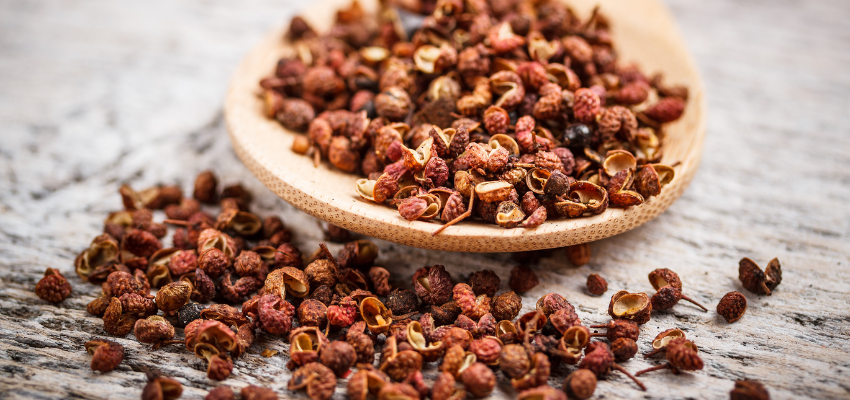
Asia’s contribution to global flavor culture in 2026 is unapologetically intense. The “mala” profile, Sichuan’s numbing heat, defines a generation of adventurous eaters. Once niche, it now inspires snacks, noodles, and sauces throughout the region (Mintel, 2025). Its success lies in sensory contrast: the combination of chili burn and Sichuan pepper’s tingling coolness keeps diners hooked.
Equally powerful is the rise of Hojicha, Japan’s roasted green tea. A report from Tastewise (2025) indicate a 47% surge in global searches and social mentions, confirming its growing appeal. Chains like Nana’s Green Tea in Tokyo have popularized Hojicha lattes, parfaits, and cheesecakes, illustrating how traditional flavors can evolve into contemporary wellness icons (Yedoensis, 2025).
At the premium end, restaurants such as Mott 32 reinterpret heritage cuisines for global audiences. Its Cantonese-Sichuan fusion menus, available across Asia, show how “heritage cooking” can merge authenticity with international sophistication. Together, these examples underline Asia’s leadership in translating cultural memory into bold, modern dining.
Implications for restaurants and food brands
These regional movements reveal a common thread: flavor is both emotional and strategic. Chains like Popeyes, Umami Plant Based, Nana’s Green Tea, and Mott 32 demonstrate that successful adoption of emerging flavors relies on cultural relevance and narrative depth.
For chefs and foodservice innovators, 2026 offers three key takeaways:
-
From novelty to nuance: boldness works when anchored in cultural context. Swicy or mala dishes resonate because they honor tradition while delivering intensity
-
From imitation to authenticity: Europe’s plant-based scene proves that natural umami beats synthetic replication
-
From comfort to connection: Across continents, diners crave flavors that tell stories, bridging nostalgia, identity, and modernity
Toward a flavor-forward future
As 2026 unfolds, the global palate grows more adventurous, emotional, and interconnected. Swicy, plant-based umami, mala, and Hojicha aren’t passing fads, they are signals of a deeper transformation in how taste reflects culture.
For restaurants, hotels, and brands, the challenge is no longer predicting what’s next but learning how to translate it authentically. In the flavor map of 2026, curiosity is the new comfort and flavor the new language of innovation.
Foodservice trends
Other related news

The future of coffee: trends and innovations for industry operators

SIGEP WORLD brings artisan gelato to the world

How grocery stores are reshaping Foodservice

Why partnerships between established companies and startups are on the rise?

Tik Tok and the taste revolution: the viral food & beverage trends in 2025

From Starbucks Bear Cup to Labubu: 3 takeaways for foodservice operators

Fragrant Breakfast: the new quiet luxury of Foodservice

Angel Hair Chocolate: the viral sensation redefining chocolate indulgence

Fine pastry meets luxury: multisensory experiences, hospitality and high-end lifestyle

India food market trends: strategic opportunities for B2B foodservice

Maximizing ROI from Trade Shows: A Buyer’s Guide to Success

New trends in pastry: innovation, exotic flavors, and sustainability

Reimagining ravioli the rise of hybrid dumplings and fusion flavors in bakery and pastry menus

Shaping the future of pizza in global consumption

Value menus 2025: how the idea of “value” is really changing in foodservice

Reimagining the future of chocolate and coffee with alternative protein technologies